
Pure Water, Worth Life
Updated: Jul 23
Water is not just something we drink. Water is life. It nourishes our bodies, protects our health, and sustains every community. Yet, when it is unsafe, the same water that gives life can also spread disease and even cause death.
I grew up believing that any water we could find was safe enough to drink. Like many children, we fetched water from rivers and streams and drank it without boiling or treating it. We were simply grateful to have water. We never stopped to think about the invisible dangers it could contain.
Finding water after walking long distances does not automatically make it safe to drink
Today, millions of people living in rural communities still struggle to access clean and safe drinking water. Some families walk more than four kilometers every day just to collect water.
Even then, the water they find is often untreated and unsafe.
Last year, I worked in a rural community. Before arriving there, I assumed that everyone
understood the importance of boiling or treating water before drinking it. I soon realized that many people did not. It was not because they did not care about their health, but because they lacked awareness, education, and access to safe water.

This is a silent public health crisis
Many people know that water is essential for life, but they do not know that contaminated water can carry harmful bacteria, viruses, and parasites. Drinking untreated river water can lead to diseases such as diarrhea, cholera, typhoid, and many other preventable illnesses. In severe cases, these diseases can even take lives.
Even where clean water is available, another challenge remains: safe storage. Potable water can become contaminated if it is kept in dirty containers, handled with unclean hands, or left uncovered. Safe water must be protected from the source to the cup.
Every person deserves access to clean drinking water and the knowledge to keep it safe
In many rural communities, public taps and reliable water systems are still far from sufficient. Access to clean water should never depend on where someone lives. It is a basic human need and a fundamental right.
We often say, "Water is life." But we must also remind people that untreated water can
threaten life. Water does much more than quench our thirst. It travels throughout our bodies. If it carries harmful microbes, it also carries disease.
Educating communities about safe water, proper hygiene, boiling, filtration, chlorination, and safe storage can prevent countless illnesses and save many lives. Awareness is one of the most powerful and affordable tools we have.
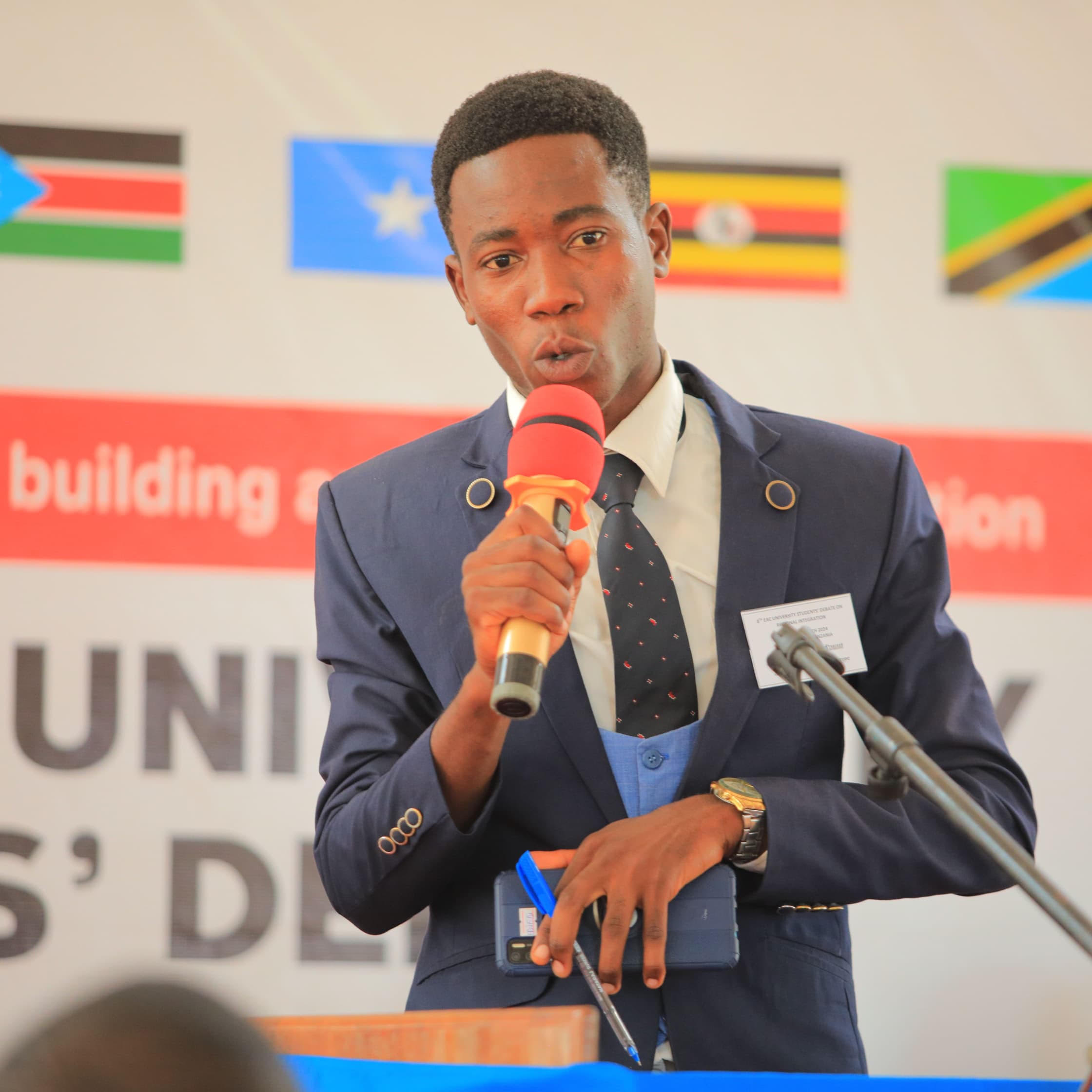
Today, I raise my voice for those who cannot easily raise theirs—for families in rural
communities who still struggle to obtain safe drinking water, for children who become sick because of preventable waterborne diseases, and for communities that deserve better.
This is a call to governments, development partners, civil society organizations, community leaders, and every individual: invest in clean water infrastructure, expand health education, and ensure that no one is left behind.
Clean water is not a privilege. It is life.
And every life is worth protecting.

I would like to be apart of the people who will promote this script