
Salt Lake
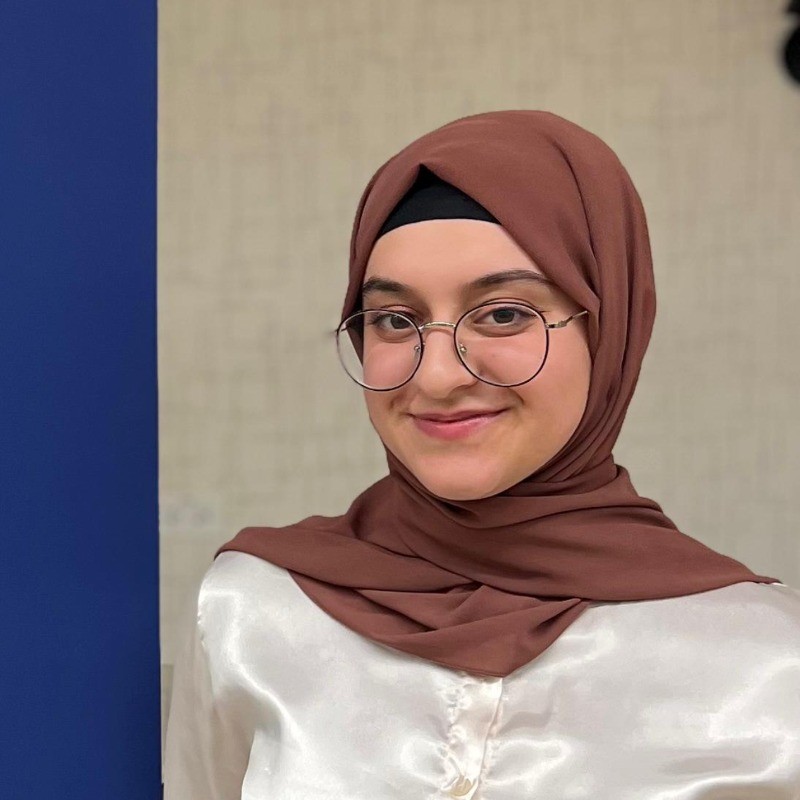
Before I had ever seen a river wider than a road, I had already decided the rest of the
world was blue.
I was a child in Kurdistan, and I collected countries the way other children collect
stones. I had never left mine. But I kept a map in my head, and on it every place that
was not home ran with water. I imagined cities split down the middle by rivers no one
thanked. Children who left the tap running while they brushed their teeth, and no
grandmother came shouting. I was always comparing, here, where we counted every
drop, and there, wherever there was, where water fell from the sky and people had the
luxury of forgetting it.
At home you did not forget. The tank I checked on the roof before a shower, the day the
supply came, the way someone in my family measured it out. In my house water had a
weight. You carried it in your attention long before you carried it in your hands.
Of all the blue names on my map, one I could not stop turning over: Salt Lake City. A
whole city named for the water beside it. I was a girl who rationed water, and
somewhere on earth was a place so certain of theirs they had written it into their name. I
pictured streets that ended at a shoreline, a lake wide enough to hold the sky.

Then I left. The first time I ever stepped out of my country was the first time I ever
stepped onto a plane, and the plane was carrying me, of all the places on the map, to
Salt Lake City. The ground fell away. The fields went small. I pressed my face to the
window and thought: the sky is taking me to the place with too much water.
I landed in a desert.
The air cracked my lips. The mountains stood bare and pale. And the lake, the great
lake the whole city was named for, was shrinking, stepping back from its own shore,
leaving flats of white salt where the water used to be. The people there were learning
the word I had grown up inside. Thirst.
I had crossed the world to reach the wetter place I measured my home against, and the
wetter place was drying too.
Something in me went very quiet. Because all my life I had made water a matter of here
and there: unlucky us, lucky them. But standing in a dry city named for a vanishing lake,
I understood the map had lied to me. There was no there. There was one thirst, wearing
different faces in different countries, and I had only been too young to see it was the
same face.
I carry that stillness into everything I do now. I am studying water diplomacy in Jordan,
another dry country the child in me would once have envied, and it has given me the
grown-up words for what that girl felt on the salt flats. That no country holds its own
water alone. That the rivers feeding my Kurdistan are born in mountains that belong to
other states, and thinned before they ever reach us. That the rain itself is being redrawn
by a climate none of us governs. Back home, in Erbil, the wells are being closed, drilled
too deep for too long into an aquifer that could not keep up. The well was never the
answer. It was never only ours.
But the same lesson that took my away hands something back. If thirst is shared, so is
the way out of it. Salt Lake City did not need more of its own water; it needed to change
its relationship with the water it had. So does my home. Erbil has begun building a
wastewater treatment plant its first real step from a city that only takes water toward one
that returns it. Not a rescue. A direction. And it moves faster when the countries that
share a river choose it together instead of alone.

That is what I want 2026 to be: the year my region and its neighbors stop pretending
their water is separate.
I still collect countries. I will always be that girl with the blue map. But I have redrawn it.
It is not blue there and dry here anymore, it is one map, one water, and all of us are
holding it. A girl in Kurdistan checking a rooftop tank. A child in Salt Lake watching a
lake step backward from its shore. The same thirst, which means the same answer.
I used to think a single person, comparing countries from a small dry place, could
change nothing. I am beginning to think it starts exactly there. With one story. From
somewhere in the world.


Comments