
What The Number Hides

My journey in water began with a night I still don't like remembering.
In June 2013 I was in Dehradun when the Kedarnath floods hit. The night before was
the spookiest thunderstorm I had ever seen. It was one of the scariest nights of my life. I spent that week volunteering with the rescue effort. The figures are staggering even now.
More than 5,000 dead or never found, over 110,000 evacuated by air and on foot. But here is what I actually remember. Not 110,000 (I seriously had to google this
number). It was this one woman.
She sat in the relief area, completely still. She had come to Kedarnath with her husband and son. It had been her wish to make that trip. She kept saying, quietly, that she wished she had never asked her husband to go. Of the three of them, she was the only one who came home. I have carried her ever since.
She is the reason I chose water. Because nobody in that relief area experienced "climate change." They experienced a river.

A few years later I joined the Swachh Bharat Prerak program, a partnership between
the then Ministry of Drinking Water and Sanitation in India (now under the Ministry of Jal Shakti) and Tata Trusts, and was posted to Rupnagar district in Punjab.
I moved from a big city to a small town, lived alone away from family, with just one goal of making this district open defecation free. There were no proper toilets, people were defecating in the open, and that was causing serious public health issues.
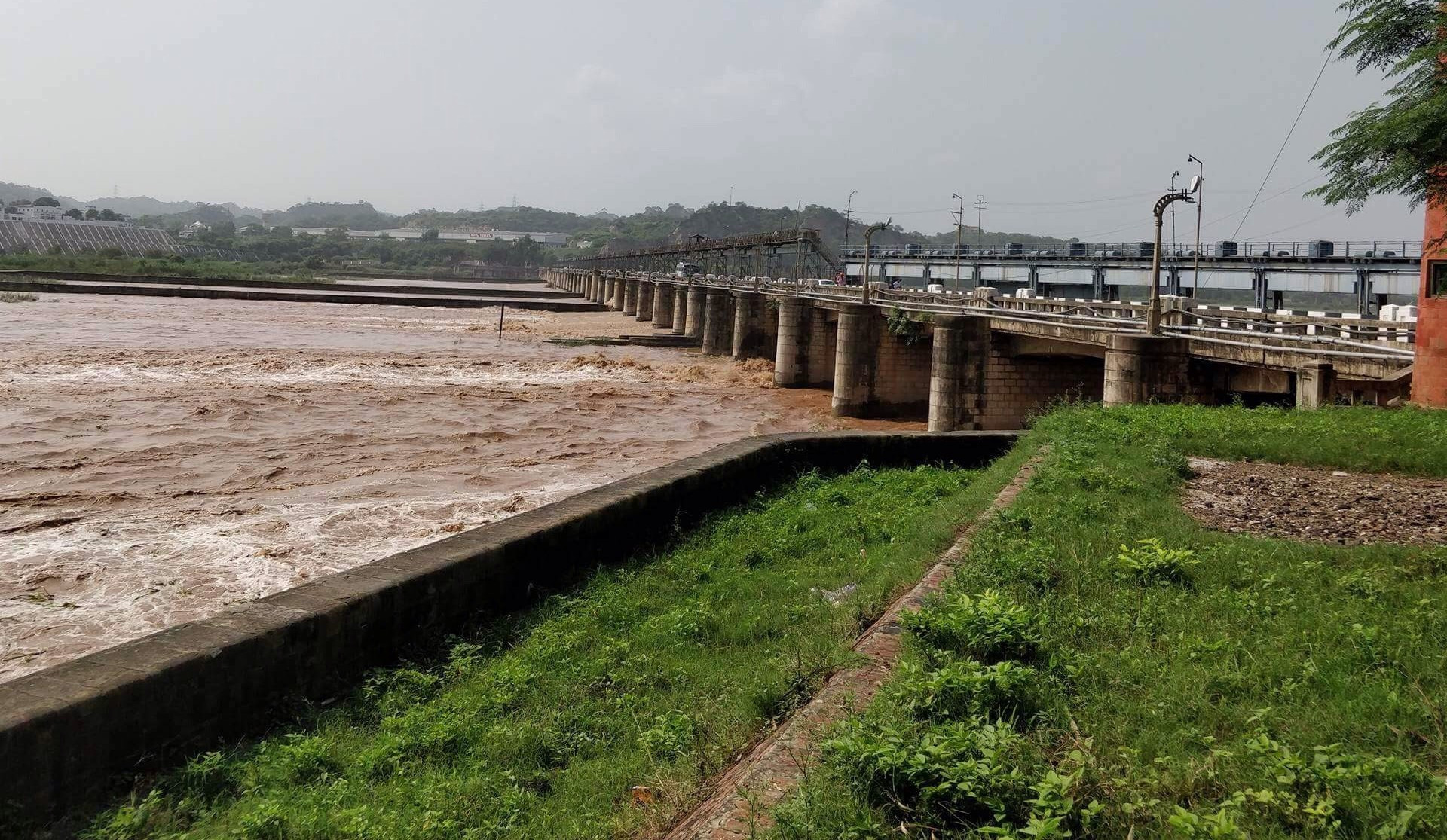
The work took every form I could find. It involved morning vigils at 4am with a team of all men, who were honestly a very good company. We had to walk all the way to the village fields before dawn. We conducted training of trainers presentations for the vigilants. It also involved organizing women rallies, setting up sanitation vans, bus campaigns, and public service announcements with news and radio channels.
From engaging with local influencers, creating content on what open defecation does to water bodies and public health to long hours with government officials making sure policy benefits actually reached the common public, we did it all.
Luckily, before my program ended, we were able to declare the district open defecation free.

However, what stayed with me were the endless stories underneath that achievement. Girls who didn't want to go to school because there were no proper WASH facilities. Women walking miles to collect water, sometimes I walked with them. Children falling sick from the quality of water they were drinking. None of these stories ever made a headline. But the fact that the district was open defecation free? That was celebrated so much.
That gap is where my career changed direction. In Kedarnath, water had arrived as too
much, sudden and violent. In Rupnagar it was a quiet crisis that showed up every single
day, and even our success story had many stories hidden inside it.
I keep saying this everywhere now that climate change impacts show up through water. So the solutions have to come through water too. I strongly believe that people have to be at the centre of those solutions, which means their stories have to be told.
That is why I decided to build my career telling these stories in whichever way possible, and eventually co-founded the Water Storytellers Collective, a global virtual cafe for water and climate communicators. What moves people is never the number alone. 110,000 is an important statistic for me, but the woman in the relief area is a person I will never forget.

Everyone has a water story. This is mine. I hope hearing it brings you one step closer to
telling yours.


Comments